Grief is the price of love, and the Catholic tradition takes it with full seriousness. Christ wept at the tomb of Lazarus, and He knew He was about to raise him. The Psalms contain some of the most harrowing lament literature in human history: "My God, my God, why have you forsaken me?" is not a lapse of faith; it is the prayer of the Psalmist, and Christ chose to pray it from the Cross. The tradition does not ask us to suppress grief or pretend to a peace we do not feel. It asks us to bring our grief into prayer.
The Catholic approach to suffering is not stoicism and it is not the cheap consolation of "everything happens for a reason." It is something more demanding and more real than either. It says that God Himself entered suffering, that the Incarnation was not a visit to a comfortable address, that Gethsemane and Calvary were not aberrations in an otherwise dignified narrative. The Cross is at the centre of our faith not despite its horror but because of it. The doctrine of co-redemptive suffering, that human pain, united to the Cross, becomes participation in Christ's own saving work, is not a platitude. It is a metaphysical claim: that our sorrow is not waste but offering.
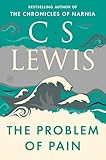
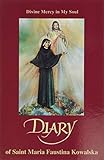
The resources here serve different needs at different stages of grief. Some are raw and honest about what grief actually feels like (Lewis, Barron). Some are theological anchors that prevent the grieving soul from drifting into despair (de Caussade, John of the Cross). Some offer the long view, the mystic's understanding that desolation is not abandonment (Teresa, Faustina). The sacramentals provide physical anchoring: something to hold in the dark, something to wear as a sign that one remains in the company of the saints who have suffered before us.